
A craving for home
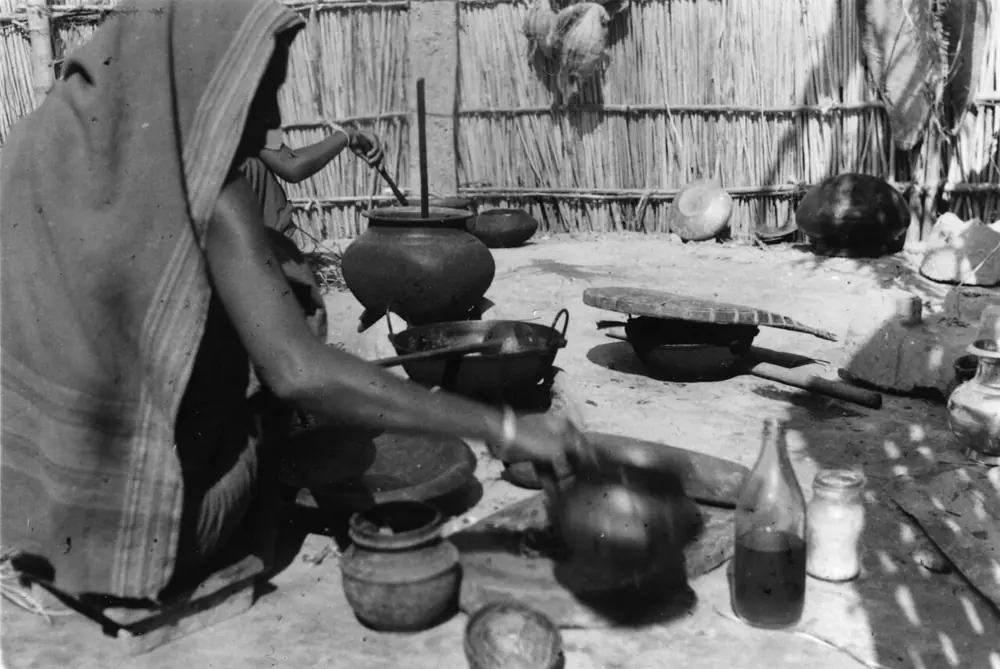
Every Bangladeshi kitchen has a shil-pata — the flat grinding stone where garlic, chilies and roasted shutki are crushed by hand. The rhythmic sound of the pata on the shil is the sound of lunch on its way, of grandmothers and aunties, of rice steaming in the next pot.
When we moved to Dallas, we found plenty of curries but almost no one making real vorta, and certainly not good shutki vorta. So we started making it for ourselves, then for friends, then for friends of friends. Today, our small kitchen cooks for families, students and celebrations across Dallas–Fort Worth.
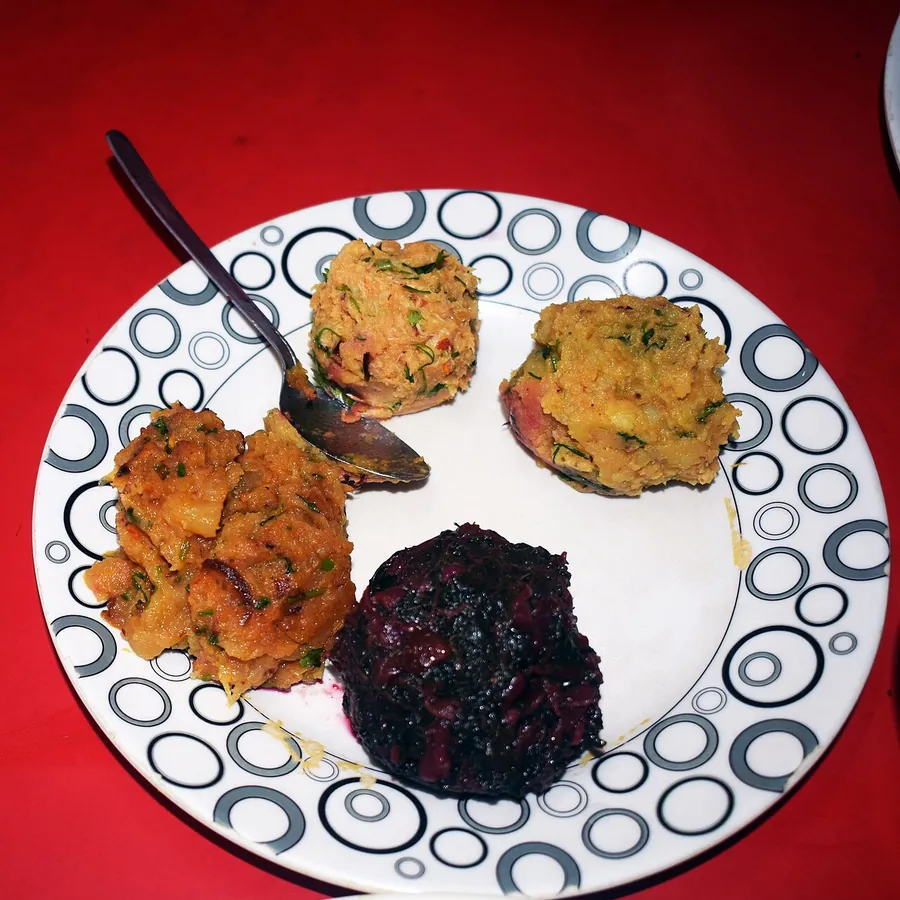
মায়ের হাতের স্বাদ
Who cooks for youMothers in our kitchen
The vortas we grew up on were never made by chefs. They were made by our mothers, nanis and khalas — in courtyard kitchens and small city flats, by feel and by taste, from recipes nobody ever wrote down.
That is why our kitchen is built around the same hands. Our vortas are made by Bangladeshi mothers and homemakers from across Dallas–Fort Worth, each bringing the local flavors of her home district, from Chattogram shutki to the fiery chilies of Sylhet. We plan shifts around family life, pay fairly for skilled work, and keep a kitchen where Bangla is spoken and recipes are respected.
The recipes come from home; the cooking does not. Every order is made in our health-inspected, permitted kitchen in Dallas by food-handler-certified cooks, then sealed, labeled and dated.
What we promise
Fire-roasted
Shutki, eggplant, tomatoes and chilies are roasted over open flame for real smoky depth.
Honest ingredients
Cold-pressed mustard oil, fresh herbs and carefully cleaned shutki. No preservatives, no shortcuts.
Made for you
Every order is cooked for your date and time, then packed fresh in the morning.
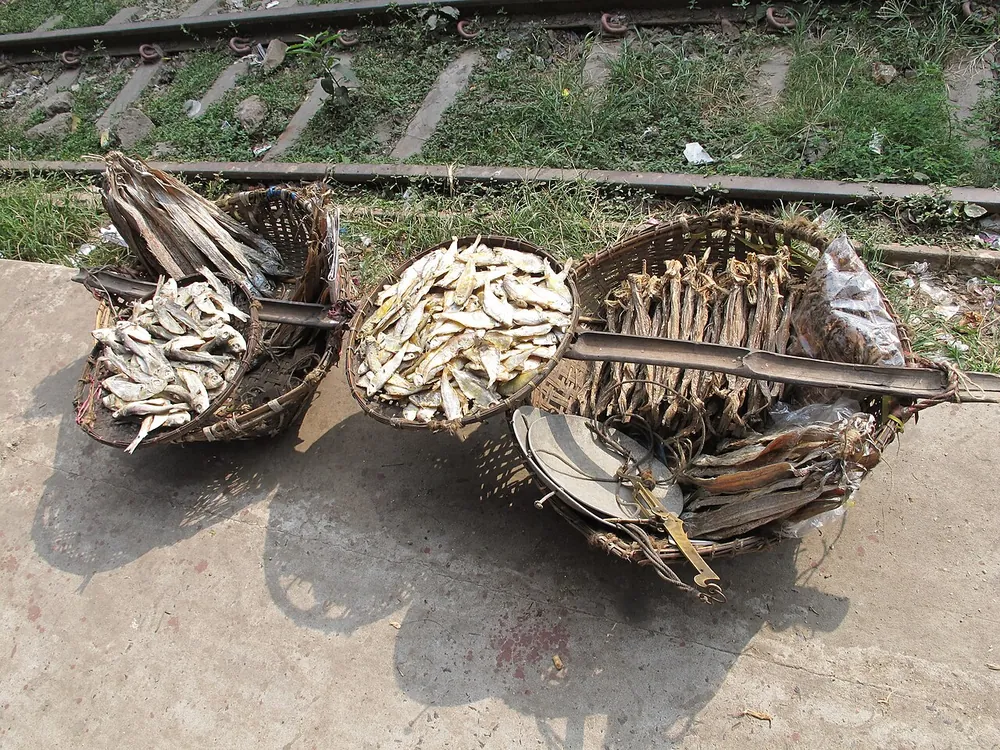
What is shutki?
Shutki (শুঁটকি) is fish that has been salted lightly or not at all and dried under the sun on bamboo racks along the coasts of Chattogram and Cox's Bazar. Drying concentrates the flavor into something intensely savory — a Bengali cousin of anchovies and bottarga.
Roasted and pounded into a vorta with onions, garlic and chilies, it becomes one of the most beloved dishes in Bangladesh. Loitta (Bombay duck), chingri (shrimp) and chepa (fermented puti fish) are the classics we make.
Try our shutki vortasPhoto credits
Food photographs on this site are shared under Creative Commons licenses via Wikimedia Commons. Thank you to the photographers: Ferdous (CC BY-SA 3.0), Sm faysal (CC BY-SA 4.0), Atudu (CC BY-SA 4.0), Deeptoe26 (CC BY-SA 4.0), Bellayet (CC BY-SA 3.0), Kritzolina (CC BY-SA 4.0), Dolon Prova (CC BY-SA 4.0) and রিজওয়ান আহমেদ (CC BY-SA 4.0). Photos may be cropped and resized.
Photographs of home cooking and kitchens on Our Kitchen, the home page and this page are illustrative (they are not of our own kitchen) and also come from Wikimedia Commons:
- “Cooking rice” by Zaheed Sarwer Khan, CC BY 4.0
- “Rural Kitchen Setup” by Muhammad Amdad Hossain, CC BY-SA 4.0
- “Batan (stone) and uña, the traditional utensils, are in use of grinding spices at a Bengali household in West Bengal, India” by Billjones94 (photo by Yogabrata Chakraborty), CC BY-SA 4.0
- “Spice market of Dhap Sultanganj Hat” by ROCKY, CC BY-SA 4.0
- “Home made Dal vorta (Mashed lentil)” by Sm faysal, CC BY-SA 4.0
- “Homemade tomato bhorta from Bangladesh” by Sm faysal, CC BY-SA 4.0
- “Women cooking at outdoor kitchen in Dhaka, Bangladesh” by Khaleq, Clarence W. Sorensen Collection (American Geographical Society Library, UW–Milwaukee), public domain
- “DSCF0807 A busy market kitchen worker carefully preparing fresh vegetables at a stainless-steel counter lined with squeeze bottles and ingredients” by PattayaPatrol, CC BY-SA 4.0


